


































As January comes to an end and February begins, many citizens in The United States look forward to Groundhog Day, a national holiday that allows a groundhog to determine if spring will come early or if the states will have 6 more weeks of cold winter weather. What sounds like an absurd tradition has become a celebrated ritual done every year that gets national attention.
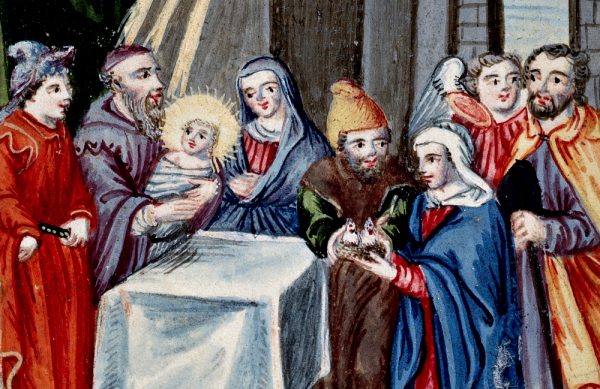
According to the History.Com, Groundhog Day stems from pre-Christians tradition, and was introduced to the United States by European immigrants, mainly Germans. The word “Candlemas” was widely used at this time. Candlemas is a feast that commemorates Jesus at the holy temple of Jerusalem. At this time, certain parts of Europe believed that a sunny Candlemas day would result in 40 more days of cold weather and snow. Groundhog Day falls between the winter solstice and spring equinox. February 2 gives significance to many ancient and modern traditions. The Celtic festival celebrated on February 1-2 marks the start of spring and honors the goddess Brigid.
When the Germans immigrants began to immigrate to America in the early 18th and 19th centuries, they made the choice to use the groundhog as the nation’s annual February 2 forecaster. In modern times, tens of thousands watch the groundhog ritual take place.
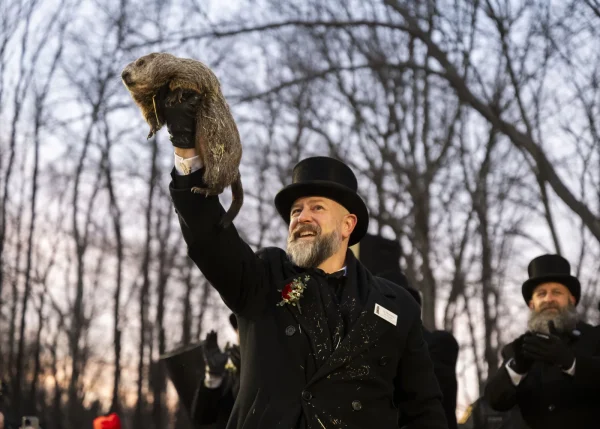
Even with some historical significance, some believe that the groundhog should not be the forecaster. According to the Stormfax Almanac, “He (The groundhog) only has a 39% accuracy rate. The groundhog has only ever predicted 20 early springs in nearly 150 years.” This proves that Groundhog’s day is inaccurate and the only purpose is for tradition.
Students here at BBHHS also believe that groundhog day is inaccurate and should not be celebrated. Freshman Tessa Urbancich states, “I don’t think it’s accurate because if the groundhog sees his shadow, that means more winter. If the groundhog sees his shadow, doesn’t that mean the sun is out? Shouldn’t that mean spring is coming sooner? I don’t think it should be celebrated as there’s only one way to know what the weather will be and that’s a meteorologist.”
Similarly, sophomore Grace Dawson says,”I don’t think Groundhog’s Day should be celebrated; an animal cannot determine the weather.”
Groundhog’s day may be inaccurate for many reasons, but the little groundhog is a national treasure to America and will continue to be used as our weather forecaster.